I’ve bought and returned more smart home gadgets than I’d like to admit, mostly because half of them refused to talk to each other. A lightbulb that only worked with its own app, a plug that lived in a different app, a lock that just… didn’t sync with either. That’s been the running joke of this whole category for a decade — cool individual gadgets, miserable ecosystem. This year is the first time I’ve actually felt that friction disappear, and it’s not because any single product got smarter. It’s because the plumbing underneath finally got fixed.
The numbers back up what I’m feeling anecdotally. Roughly 51% of U.S. households — around 77 million homes — are now using at least one smart home device, and the thing making that growth stick is that universal standards like Matter and Thread are finally solving the cross-brand compatibility issues that used to make every purchase a gamble.
The Compatibility Wall Is Actually Coming Down
For years, buying a new smart device meant checking three different compatibility charts before committing. That’s easing up fast. Devices with local processing now offer better privacy and keep working even if the internet goes down, and choosing a single ecosystem — Apple Home, Google Home, or Amazon Alexa — has become a genuinely reliable way to cut down on app overload instead of a leap of faith.
The Matter ecosystem itself has had a busy August. New Matter-certified hardware keeps landing almost weekly — Athom recently launched dedicated apps bringing official Matter integration to LEDVANCE and OSRAM lighting lines, and Espressif rolled out an open-source cloud and fleet-management platform aimed at giving smaller device makers the same kind of infrastructure the big brands have had for years. None of that is flashy on its own, but it’s exactly the kind of behind-the-scenes work that determines whether your new gadget actually talks to the rest of your house.
From Isolated Gadgets to One Coordinated System
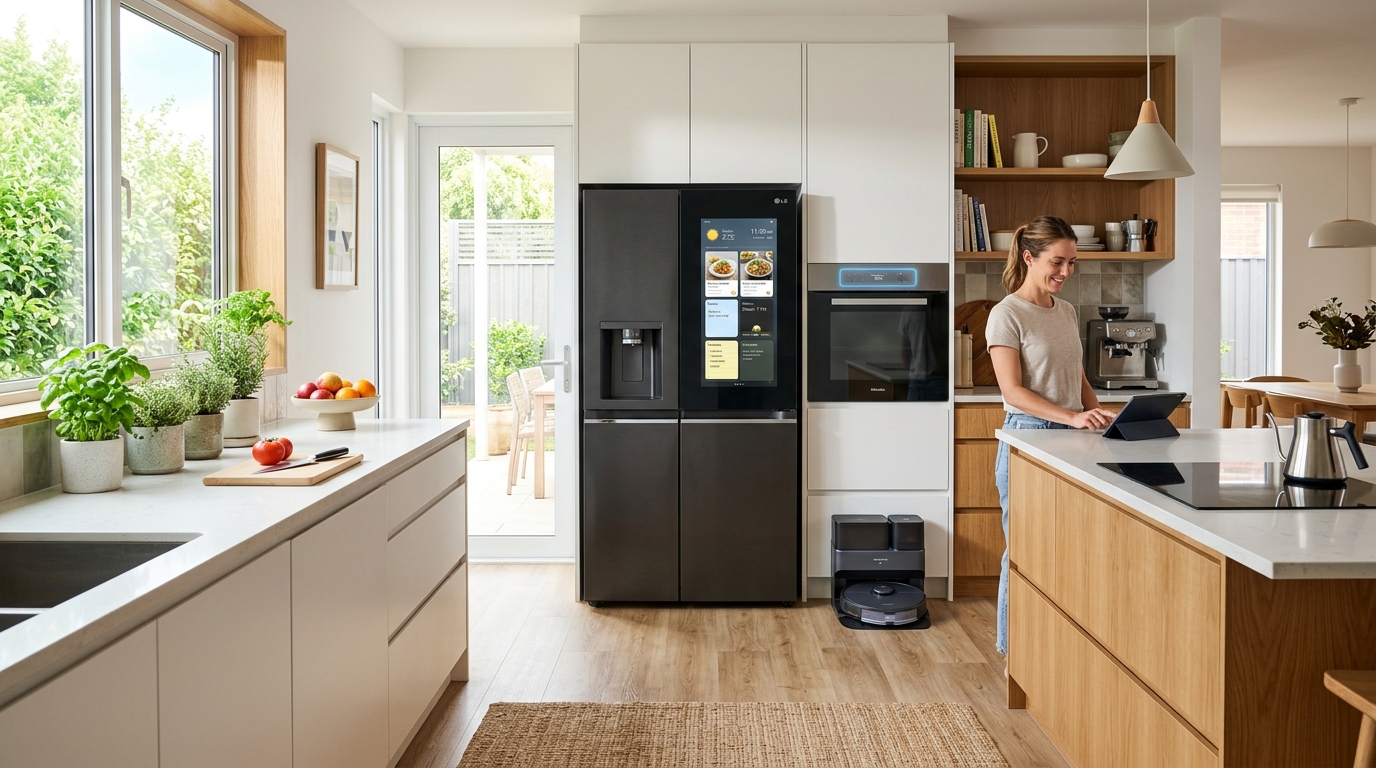
The bigger shift this year isn’t any single device — it’s how the industry is thinking about the home as a whole. Rather than isolated point solutions, homes are increasingly built around a single coordinated system that unifies lighting, climate, shading, and occupancy sensing into one control layer, allowing the home to optimize energy use automatically instead of relying on a homeowner remembering to adjust ten different settings.
That coordination is also where the real energy savings show up. Widespread adoption of energy-efficient smart home management — lighting automation, occupancy sensing, adaptive thermostat control — can meaningfully cut residential energy use, but the savings are far bigger when devices work together as a system rather than sitting around as disconnected gadgets each doing their own thing.
The Gadgets Actually Worth Paying Attention To
CES 2026 brought the usual flood of concept-y announcements, but a notable chunk of this year’s crop are shipping products with real prices, not vaporware. A few stood out for solving genuinely annoying, long-standing problems instead of adding another screen to the wall. Lockin’s V7 Max smart lock, for instance, ditches batteries entirely in favor of a wireless charging system built into the door — solving the classic “locked out at midnight because two AAs died” problem that’s plagued smart locks since they existed.
On the access side, TCL Home Security’s new D2 Pro Matter smart lock adds contactless palm vein recognition along with Matter-over-Thread support, priced around $200 — a sign that biometric access is moving from luxury novelty toward something closer to mainstream. And for whole-home motion sensing, SwitchBot’s new presence sensor is getting attention for bringing reliable mmWave detection and Matter compatibility at a genuinely budget-friendly price, which matters a lot for anyone trying to automate an entire house without spending a fortune room by room.
Building a Starter Kit Without Overthinking It
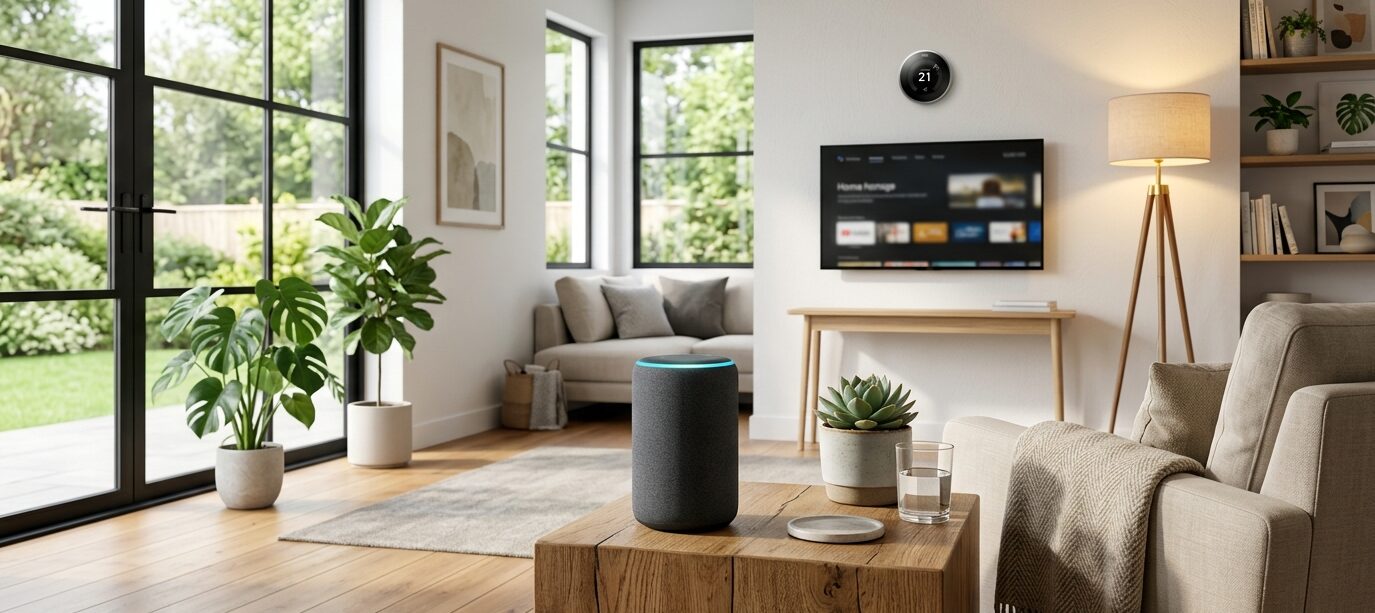
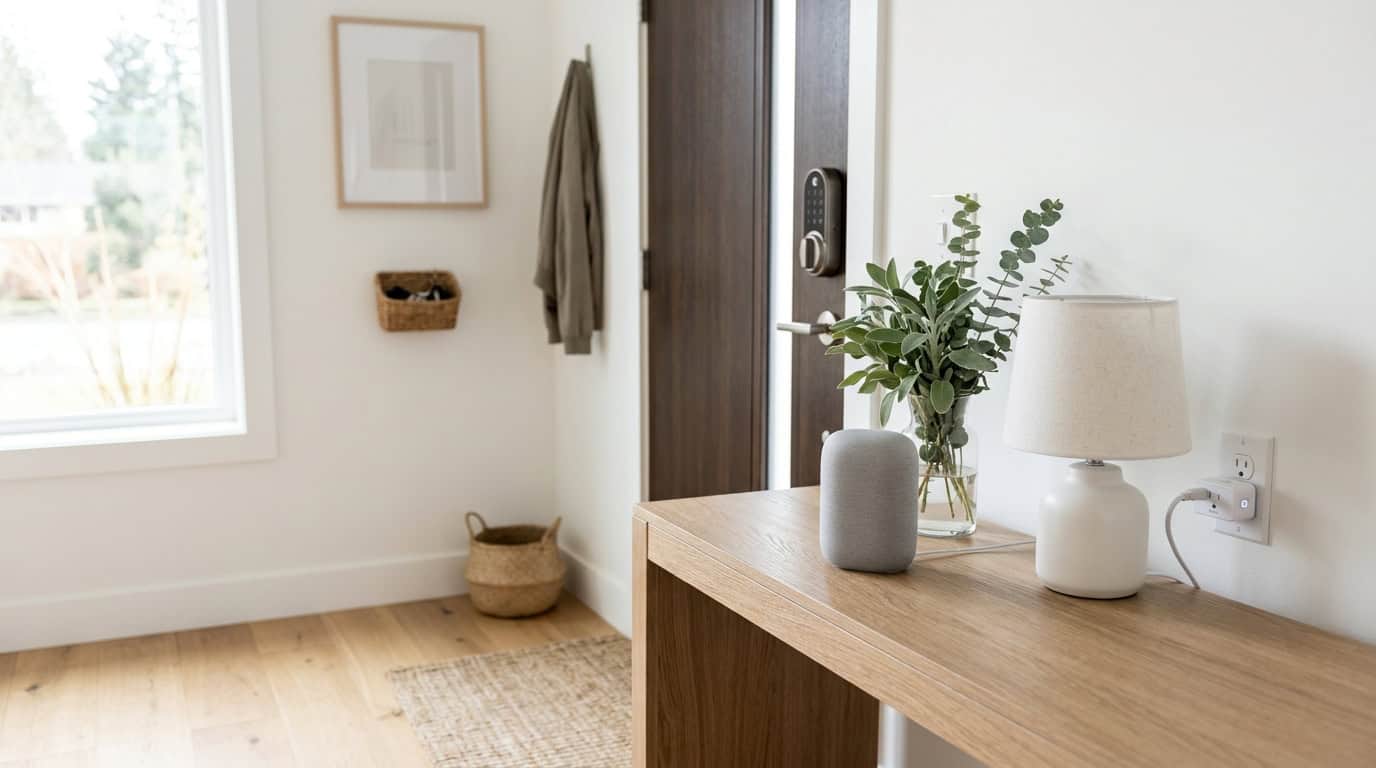
If you’re starting from zero, the advice hasn’t changed much, it’s just gotten easier to execute: a smart speaker for voice control, a smart plug or two to turn existing lamps smart without replacing fixtures, a basic smart bulb setup for your main lights, and one privacy-focused camera near an entrance. That kind of starter kit typically runs a few hundred dollars and takes about an hour to set up — and unlike a few years ago, there’s a much better chance everything in that kit will actually recognize each other out of the box.
Is This Finally the Year to Commit?
If you’ve been holding off because of past compatibility headaches, this is a reasonable year to reconsider. The standards work that’s been happening quietly in the background — Matter, Thread, better local processing — is the kind of unglamorous progress that doesn’t make headlines but is exactly what was missing before. Start small, pick one ecosystem, and build outward. The days of every new gadget being its own isolated island are, for the first time, genuinely starting to end.