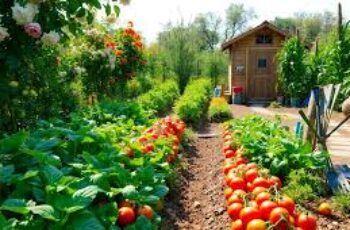
Vegetable gardening is more than just a hobby—it’s a rewarding journey that brings fresh, nutritious produce right to your doorstep. Whether you’re a seasoned gardener or a beginner looking to start your first vegetable garden, understanding the basics can make all the difference. In this guide, we’ll explore essential tips, techniques, and ideas to help you cultivate a thriving vegetable garden that provides healthy and delicious food all year round.
Why Start a Vegetable Garden?
Growing your own vegetables offers countless benefits beyond simply saving money:
-
Freshness and Flavor: Nothing beats the taste of vegetables freshly picked from your garden. Homegrown produce is often more flavorful and nutritious than store-bought vegetables, which may have traveled long distances before reaching your table.
-
Health Benefits: Access to fresh, pesticide-free produce ensures you and your family enjoy optimal nutrition. You can control the growing conditions, choosing organic methods that are free of harmful chemicals.
-
Cost Savings: Over time, growing your own vegetables can significantly reduce grocery bills, especially for high-demand crops like tomatoes, cucumbers, or leafy greens.
-
Sustainability: Gardening reduces your carbon footprint and promotes eco-friendly living. By growing your own food, you decrease packaging waste and the environmental impact of transporting vegetables long distances.
-
Mental and Physical Health: Gardening is a great form of exercise and stress relief. It connects you to nature and provides a sense of accomplishment as you watch your plants thrive.
Starting a vegetable garden doesn’t require a large yard; even small spaces, balconies, or containers can yield impressive results. With careful planning, anyone can enjoy a bountiful harvest.
Choosing the Right Vegetables for Your Garden
Selecting the right vegetables is key to a successful harvest. Consider the following factors when planning your garden:
-
Climate: Some vegetables thrive in cooler seasons, like lettuce, spinach, and kale, while others, such as tomatoes, peppers, and zucchini, prefer warmth and plenty of sunlight. Understanding your local climate and growing seasons ensures your plants thrive.
-
Space: Root vegetables such as carrots, radishes, and beets require deep, loose soil, whereas leafy greens like lettuce and arugula can grow in shallow containers. If you have limited space, vertical gardening techniques can maximize your yield.
-
Ease of Growth: Beginners should start with easy-to-grow vegetables like tomatoes, zucchini, cucumbers, and herbs such as basil and parsley. These crops are more forgiving and provide faster results, keeping motivation high.
-
Crop Rotation and Diversity: Avoid planting the same vegetables in the same spot each year to prevent soil depletion and disease buildup. Rotate crops and consider companion planting to improve soil health and deter pests.
Planning Your Vegetable Garden
Proper planning ensures your garden flourishes throughout the season. Here’s a step-by-step guide:
-
Location: Choose a spot with at least 6–8 hours of sunlight per day. Sunlight is crucial for photosynthesis and strong plant growth. If your garden is shaded, choose vegetables that tolerate partial shade, such as spinach and lettuce.
-
Soil Preparation: Good soil is the foundation of a healthy garden. Enrich your soil with compost, organic matter, or well-rotted manure to provide essential nutrients. Consider conducting a soil test to check pH levels and nutrient deficiencies. Most vegetables prefer slightly acidic to neutral soil (pH 6–7).
-
Watering: Consistent watering is crucial, but overwatering can harm roots. Use a drip irrigation system or soaker hoses to provide a steady supply of water while minimizing evaporation. Water early in the morning to reduce disease risks.
-
Garden Layout: Plan your garden layout to optimize space, sunlight, and accessibility. Raised beds, container gardening, and vertical supports help make the most of small areas. Ensure adequate spacing between plants to prevent overcrowding and improve airflow.
-
Companion Planting: Certain vegetables grow better together. For example, tomatoes and basil benefit each other, while carrots grow well near onions. Companion planting can enhance growth, repel pests, and improve flavor.
Planting Techniques and Tips
Growing vegetables successfully depends on planting methods and proper care:
-
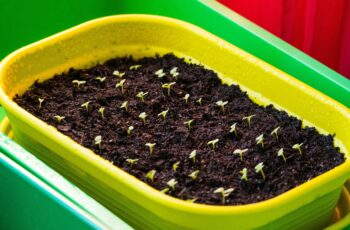
Seed vs. Seedlings: Seeds are cost-effective and offer a wider variety of options, but seedlings give a head start, especially for plants with long growing seasons. Start seeds indoors if your climate is cool or plant seedlings directly into prepared soil when the weather is suitable.
-
Spacing: Proper spacing prevents overcrowding, reduces competition for nutrients, and ensures healthy plant development. Always follow spacing recommendations on seed packets.
-
Mulching: Mulch retains soil moisture, suppresses weeds, and regulates soil temperature. Organic mulches like straw, leaves, or grass clippings enrich the soil as they decompose.
-
Fertilization: Use organic fertilizers or compost teas to promote strong, healthy plants. Avoid over-fertilization, which can lead to excessive foliage growth at the expense of fruits and vegetables.
-
Support Structures: Some vegetables, like tomatoes, cucumbers, and beans, benefit from stakes, cages, or trellises. Providing vertical support prevents plants from sprawling, improves air circulation, and reduces disease risk.
Common Challenges and How to Overcome Them
Even experienced gardeners face challenges. Here’s how to tackle common problems:
-
Pests: Insects like aphids, caterpillars, and beetles can damage crops. Use natural remedies such as neem oil, insecticidal soap, or introduce beneficial insects like ladybugs and lacewings. Crop rotation and companion planting also reduce pest pressure.
-
Diseases: Fungal and bacterial diseases can spread quickly in vegetable gardens. Rotate crops annually, remove infected plants promptly, and avoid overhead watering to reduce disease risk. Using disease-resistant varieties is also helpful.
-
Poor Soil: Soil lacking nutrients or with poor drainage can hinder plant growth. Improve soil quality with organic amendments and consider raised beds or container gardening in areas with heavy clay or sandy soil.
-
Weather Extremes: Extreme heat, cold, or heavy rain can stress plants. Use shade cloths, row covers, or protective mulch to mitigate weather impacts and extend the growing season.
Harvesting and Storing Your Vegetables
Knowing when and how to harvest your vegetables is crucial for taste and nutrition:
-
Timing: Harvest vegetables at their peak ripeness. Overripe vegetables may lose flavor, while underripe produce may be tough or bitter. Learn the signs for each crop, such as color, size, and firmness.
-
Handling: Handle vegetables gently to prevent bruising. Use clean scissors or garden shears to cut produce, avoiding damage to surrounding plants.
-
Storage: Store produce in a cool, dry place, refrigerate leafy greens, or use root cellars for long-term storage of carrots, potatoes, and onions. Proper storage maintains freshness and flavor.
-
Preservation: Consider canning, freezing, or drying excess vegetables to enjoy your harvest year-round. Homemade preserves and sauces are a great way to reduce waste and maximize your garden’s productivity.
Seasonal Gardening Tips
-
Spring: Start seeds indoors for early crops like tomatoes and peppers. Prepare soil, add compost, and plan your garden layout.
-
Summer: Focus on watering, mulching, and pest management. Harvest early crops like lettuce, radishes, and spinach regularly to encourage continuous production.
-
Autumn: Plant cool-season crops such as kale, broccoli, and carrots. Clean up the garden, remove debris, and add compost to enrich the soil for next season.
-
Winter: Use cold frames or greenhouses to grow hardy crops. Plan next year’s garden, order seeds, and start seedlings indoors for an early start in spring.
Conclusion
Vegetable gardening is a fulfilling way to connect with nature while enjoying fresh, healthy produce. By selecting the right vegetables, preparing your soil, and practicing proper care, you can transform your backyard—or even a balcony—into a lush vegetable oasis. Whether you grow tomatoes, carrots, lettuce, herbs, or peppers, the joy of harvesting your own food is unmatched.
Starting your vegetable gardening journey today not only provides nutritious food but also contributes to a healthier lifestyle, promotes sustainability, and creates a rewarding hobby that can be shared with family and friends. With patience, planning, and care, anyone can enjoy the endless benefits of growing their own vegetables.