There’s something incredibly satisfying about eating vegetables you’ve grown yourself. I still remember biting into my first homegrown tomato – warm from the sun, bursting with flavor that store-bought tomatoes could never match. That moment got me hooked on vegetable gardening.
But getting to that first successful harvest wasn’t straightforward. My first attempt at vegetable gardening was, honestly, a disaster. I planted everything too late, chose vegetables that were too difficult for beginners, didn’t prepare my soil, and basically ignored half the advice I’d been given because I thought I knew better.
Most of my plants either died, produced nothing, or grew so poorly they weren’t worth harvesting. It was discouraging, and I almost gave up entirely.
What changed everything was taking a step back, doing proper research, and starting with a simple, manageable approach. My second year was dramatically better, and by year three, I was harvesting more vegetables than my family could eat.
If you’re thinking about starting your first vegetable garden, this guide will save you from the mistakes I made and set you up for actual success, not just hopeful planting followed by disappointing results.
Start Small – Seriously, Smaller Than You Think
This is the single most important piece of advice I can give you. Everyone wants to dive in with a huge garden, imagining rows and rows of fresh produce. Don’t do it.
A small, well-maintained garden produces more food and causes less stress than a large, overwhelming one. I recommend starting with just four to six types of vegetables in a space no larger than 4×8 feet (about 32 square feet). That’s it.
This size is completely manageable for beginners. You can weed it in fifteen minutes, water it easily, and actually keep up with harvesting. A neglected large garden becomes a weedy mess that produces little and makes you want to quit.
You can always expand next year once you understand what’s involved. But starting small gives you achievable success that builds confidence and skills.
Think of it this way – a tiny garden that produces food is infinitely better than an ambitious garden that overwhelms you and fails.
Choose the Right Location
Vegetables need specific conditions to thrive, and location makes an enormous difference in your success rate.
Sunlight is non-negotiable. Most vegetables need at least six to eight hours of direct sunlight daily. Tomatoes, peppers, cucumbers, and squash are particularly sun-hungry. Leafy greens like lettuce and spinach tolerate partial shade, but even they prefer good light.
I made the mistake of putting my first garden in a spot that looked nice but only got about four hours of sun. My tomatoes barely produced, and everything grew slowly. When I moved the garden to a sunnier location, the difference was dramatic.
Stand in your proposed garden spot at different times of day and observe how much sun it actually receives. Trees, buildings, and fences create shade that changes throughout the day and season. What seems sunny in March might be shaded by tree foliage in July.
Water access matters. You’ll be watering regularly, especially during establishment and hot weather. Hauling water long distances gets old fast. Choose a location reasonably close to a water source or plan to install drip irrigation or soaker hoses.
Drainage is critical. Vegetables don’t tolerate waterlogged soil. If water pools in your proposed garden spot after rain, either choose a different location or build raised beds to improve drainage.
Level or gentle slope works best. Steep slopes are difficult to work and cause water and soil runoff. If your only option is a slope, consider building terraces or raised beds perpendicular to the slope.
Prepare Your Soil Properly
This step determines whether your garden succeeds or struggles. Good soil is the foundation of productive vegetable gardening, and it’s worth investing time to get it right.
Most vegetables prefer loose, well-draining soil rich in organic matter. Heavy clay that compacts when wet or sandy soil that doesn’t hold moisture both create problems, though both can be improved.
Test your soil before planting if possible. Home test kits are inexpensive and tell you pH levels and basic nutrient content. Most vegetables prefer slightly acidic to neutral soil (pH 6.0-7.0). Testing eliminates guesswork about what your soil needs.
Add organic matter generously. This is the single best thing you can do for any soil type. Compost, aged manure, or other organic materials improve soil structure, water retention, drainage, and nutrient content all at once.
Spread two to four inches of compost or aged manure over your garden bed and work it into the top six to eight inches of soil. This seems like a lot, but organic matter breaks down over time, and vegetables are heavy feeders that benefit enormously from rich soil.
If you’re starting with lawn or weedy ground, you’ll need to remove existing vegetation first. You can strip sod with a shovel (hard work but effective), smother it with cardboard and mulch (takes several months), or use a tiller to break it up (quick but can bring weed seeds to the surface).
I’ve tried all these methods. Stripping sod works well for small areas. Smothering with cardboard and six inches of compost creates excellent soil but requires planning ahead. Tilling is fastest but you’ll fight weeds all season from disturbed seeds.
Choose Beginner-Friendly Vegetables
Not all vegetables are equally easy to grow. Some are remarkably forgiving of mistakes, while others require precise conditions and timing. Start with the easy ones.
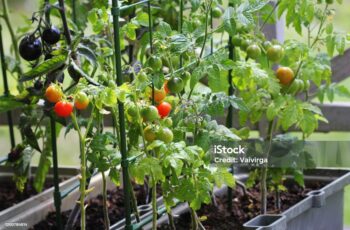
Tomatoes are the most popular home garden vegetable for good reason. They produce abundantly, taste infinitely better homegrown than store-bought, and aren’t particularly difficult. Start with cherry tomatoes, which are more forgiving than large varieties.
Zucchini and summer squash grow fast and produce prolifically. The challenge with these isn’t getting them to grow – it’s keeping up with the harvest. A few plants produce more than most families can eat.
Lettuce and salad greens are perfect for beginners because they mature quickly (often in just 30-45 days), grow in cooler weather when fewer pests are active, and tolerate partial shade. You can start harvesting outer leaves while plants continue growing.
Bush beans are easy, productive, and kids love them. They don’t need support like pole beans, mature relatively quickly, and fix nitrogen in soil (actually improving it for future crops).
Radishes mature in just three to four weeks, making them perfect for impatient gardeners or teaching kids. They’re also great for marking rows of slower-germinating vegetables.
Herbs like basil, cilantro, and parsley are technically not vegetables but are incredibly easy to grow and useful in the kitchen. They’re perfect for filling gaps in your garden or growing in containers.
Vegetables to avoid as a beginner include cauliflower and broccoli (picky about temperature and nutrients), melons (require lots of space and precise watering), and artichokes (perennial that needs specific climate). Save these for after you’ve gained experience.
Understand Planting Times
This was one of my biggest early mistakes – planting everything at once in spring and hoping for the best. Different vegetables have different temperature preferences and optimal planting times.
Cool-season crops like lettuce, peas, broccoli, and radishes prefer cooler temperatures and can tolerate light frost. Plant these in early spring (as soon as soil can be worked) or in late summer for fall harvest. They often bolt (go to seed) or develop bitter flavor in hot weather.
Warm-season crops like tomatoes, peppers, cucumbers, and squash need warm soil and air temperatures. Planting them too early results in poor growth or death from late frosts. Wait until after your last expected frost date and soil has warmed.
Most seed packets and plant tags provide planting timing information. Your local extension office typically publishes planting calendars specific to your area – these are incredibly valuable resources.
I now keep a garden journal where I note planting dates and results. This helps me remember what worked and improve timing each year. Regional conditions vary significantly, so what works in one area might not work in another.
Planting Techniques That Matter
How you plant affects establishment and long-term success. A few key techniques make a real difference.
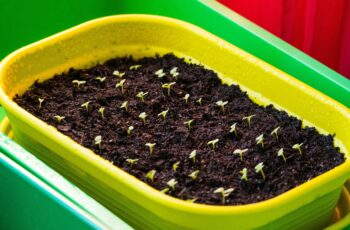
Seeds vs. transplants: Some vegetables do better started from seed directly in the garden (beans, peas, carrots, radishes). Others benefit from starting indoors or buying transplants (tomatoes, peppers, eggplant). This is partly about temperature sensitivity and partly about giving plants a head start on the growing season.
Plant spacing matters more than you think. Crowded plants compete for nutrients, water, and light. They’re also more susceptible to diseases because air can’t circulate properly. Follow spacing recommendations even though it feels like you’re leaving too much empty space initially.
Planting depth is critical for seeds. The general rule is planting seeds at a depth two to three times their diameter. Tiny seeds like lettuce need light to germinate and should barely be covered. Large seeds like beans can go an inch or more deep.
Water immediately after planting. This settles soil around roots and seeds, eliminates air pockets, and gives plants the moisture they need to establish. Continue watering regularly until plants are established and growing actively.
Harden off transplants if you started seeds indoors or bought greenhouse-grown plants. Gradually expose them to outdoor conditions over a week before planting. This prevents shock and sunburn.
Watering: More Art Than Science
Proper watering is one of the most challenging aspects for beginners. Too much causes root rot and disease. Too little causes stress, poor growth, and blossom end rot in tomatoes.
Most vegetables need about one inch of water per week, either from rain or irrigation. This can come from one deep watering or several lighter applications, but deep watering encourages deeper root growth.
Water deeply and less frequently rather than lightly every day. Shallow watering creates shallow roots that make plants more susceptible to drought stress. Deep watering encourages roots to grow down where soil stays more consistently moist.
Morning watering is ideal. This allows foliage to dry during the day, reducing disease problems. Evening watering means leaves stay wet overnight, creating perfect conditions for fungal diseases.
Water at soil level rather than overhead when possible. Soaker hoses or drip irrigation work excellently for this and conserve water compared to sprinklers.
Mulch conserves moisture dramatically. A two to three inch layer of organic mulch (straw, shredded leaves, wood chips) reduces evaporation, moderates soil temperature, and suppresses weeds. This single practice reduces watering needs significantly.
Check soil moisture before watering rather than following a rigid schedule. Stick your finger two inches into the soil – if it’s dry at that depth, water. If it’s still moist, wait.
Basic Fertilizing Guidelines
Vegetables are heavy feeders, meaning they require more nutrients than many ornamental plants. However, over-fertilizing causes problems too.
If you’ve added plenty of compost or aged manure to your soil, you may not need additional fertilizer immediately. But as plants grow and produce, they deplete soil nutrients and benefit from supplemental feeding.
Balanced fertilizers with equal or similar amounts of nitrogen (N), phosphorus (P), and potassium (K) work well for most vegetables. The three numbers on fertilizer packages (like 10-10-10) represent these nutrients.
Organic options include compost, aged manure, fish emulsion, and blood meal. These release nutrients slowly and improve soil structure over time.
Timing matters. Apply fertilizer when plants are actively growing, not when they’re stressed by heat or drought. Many vegetables benefit from side-dressing (applying fertilizer alongside rows) when they begin flowering or fruiting.
More isn’t better. Excess nitrogen creates lush foliage at the expense of fruit production and makes plants more susceptible to pests and diseases. Follow package directions and err on the side of less rather than more.
Managing Weeds and Pests
Both will appear in your garden – count on it. The key is managing them before they become overwhelming problems.
Weeds compete with vegetables for nutrients, water, and space. They also harbor pests and diseases. Pull them when they’re small and before they set seed. Mulching prevents many weeds from germinating in the first place.
I weed for ten to fifteen minutes several times a week. This prevents weeds from establishing and keeps the task manageable rather than letting it build into an overwhelming chore.
Pests are inevitable but manageable. Regular monitoring catches problems early when they’re easier to control. Check plants every few days for signs of damage or pest presence.
Many pest problems resolve with simple interventions like hand-picking large insects, spraying aphids off with water, or using row covers to exclude flying pests from young plants.
Harvesting and Succession Planting
Knowing when and how to harvest comes with experience, but some general guidelines help.
Most vegetables taste best harvested young and tender. Zucchini is better at six inches than twelve. Lettuce is sweeter before it bolts. Beans are more tender picked regularly.
Harvest regularly to encourage continued production. Many vegetables, including beans, zucchini, and tomatoes, produce more when you keep picking. Leaving mature produce on plants signals them to stop producing.
Succession planting means planting small amounts every couple weeks rather than everything at once. This extends your harvest season and prevents the feast-or-famine cycle where everything matures simultaneously.
I plant new lettuce every two weeks from spring through early summer. This provides continuous harvests rather than one big flush followed by nothing.
Learning From Each Season
Your first garden won’t be perfect – mine certainly wasn’t. But each season teaches you something if you pay attention.
Keep notes about what you planted, when you planted it, problems you encountered, and what produced well. These notes are incredibly valuable for planning future gardens.
Don’t be discouraged by failures. Even experienced gardeners lose plants and deal with problems. The difference is they’ve learned what works in their specific conditions through trial and error.
Talk to other gardeners in your area. Local knowledge about what varieties perform well, optimal planting times, and common pest problems is invaluable and often more relevant than general gardening advice.
Starting Your Garden Journey
Vegetable gardening is one of the most rewarding hobbies you can pursue. The taste of homegrown produce, the satisfaction of growing your own food, and the time spent outdoors all contribute to why millions of people garden.
Start small, choose easy vegetables, prepare your soil well, and be patient with yourself as you learn. Your first harvest might be modest, but it’s the beginning of a journey that can provide food, exercise, stress relief, and genuine satisfaction for years to come.
The best time to start a garden is now. Begin planning, prepare your space, and get ready to experience the unique joy of eating vegetables you’ve grown with your own hands. Trust me – that first homegrown tomato will make all the effort worthwhile.