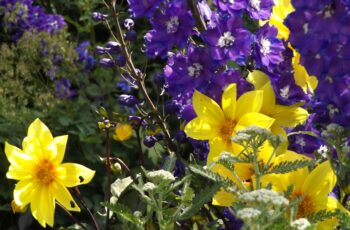
If I could only grow one flower in my garden, it would be zinnias. They’re incredibly easy, ridiculously productive, available in every color imaginable, and bloom continuously from midsummer until frost kills them. They attract butterflies and hummingbirds, make excellent cut flowers, and ask for almost nothing in return.
I stumbled into growing zinnias almost by accident. A friend gave me a packet of mixed zinnia seeds, suggesting I scatter them in an empty corner of my garden. I did, without much expectation. Six weeks later, that corner exploded with color – dozens of vibrant blooms in pinks, oranges, reds, yellows, and purples, all buzzing with butterflies and bees.
I was hooked. Now I plant zinnias everywhere – in my vegetable garden to attract pollinators, along my fence for cut flowers, in containers on my deck, and mixed into perennial beds for continuous color. They’ve become my go-to flower for reliable, abundant blooms with minimal effort.
This guide covers everything you need to know to grow spectacular zinnias, whether you want cutting garden flowers, pollinator magnets, or just easy, cheerful color all summer long.
Understanding Zinnia Varieties
Zinnias come in an amazing array of sizes, forms, and colors. Choosing varieties suited to your purpose makes a big difference in satisfaction.
Height categories range dramatically, affecting where and how you use zinnias.
Tall varieties (three to four feet) like Benary’s Giant, Oklahoma, and State Fair are bred specifically for cutting. They produce long, sturdy stems perfect for bouquets and don’t look out of place in the back of borders.
I grow these in rows in my vegetable garden specifically for cutting. The tall stems make harvesting easy, and their height doesn’t shade vegetables.
Medium varieties (18-24 inches) like Zinderella, Magellan, and Zahara work beautifully in mixed borders and containers. They’re tall enough to make an impact but won’t overwhelm smaller plants.
Dwarf varieties (six to twelve inches) like Thumbelina and Profusion series are perfect for edging, containers, and front-of-border plantings. Despite their small size, they bloom just as prolifically as tall types.
Flower forms vary from simple daisies to elaborate dahlia-like blooms.
Single-flowered zinnias have a single row of petals around a central disk. They’re simpler in appearance but butterflies prefer them because they can actually access the nectar. Profusion and Zahara series are popular singles.
Semi-double and double zinnias have multiple petal layers creating fuller flowers. Doubles look like dahlias or pompoms – extremely showy and excellent for cutting. Most tall cutting varieties are doubles.
I grow both types – singles specifically to attract butterflies, and doubles for their spectacular cut flowers.
Colors span the entire spectrum except true blue. You can find pure white, every shade of pink from pale to magenta, oranges, reds, yellows, greens (yes, green zinnias exist!), purples, and incredible bi-colors and stripes.
Mixed seed packets are fun if you want variety. Single-color packets let you create specific color schemes or focus on favorites.
Disease resistance matters, especially in humid climates. Newer varieties like Profusion, Zahara, and Magellan series offer significantly better powdery mildew and leaf spot resistance than older varieties.
I learned this the hard way growing beautiful but disease-prone older varieties that looked terrible by late summer. Disease-resistant varieties stay attractive much longer.
When and Where to Plant Zinnias
Zinnias are heat-loving annuals that thrive in conditions that stress many other flowers. Getting the timing and location right ensures success.
Wait for warm soil and weather. Zinnias hate cold and won’t germinate well in cool soil. Wait until soil reaches at least 60°F and nighttime temperatures stay above 50°F consistently.
I plant zinnias around the same time I plant tomatoes and peppers – usually two to three weeks after the last frost date when soil has warmed thoroughly.
Full sun is essential. Zinnias need at least six to eight hours of direct sunlight daily, though they prefer even more. They’ll survive in partial shade but produce far fewer flowers and become leggy and weak.
My zinnias grow in the sunniest spots in my garden – locations that receive sun from morning through evening. They absolutely thrive with maximum sun exposure.
Soil requirements are minimal. Zinnias tolerate almost any soil as long as it drains reasonably well. They don’t need rich soil – in fact, overly fertile soil creates lush foliage at the expense of flowers.
I don’t amend soil specifically for zinnias beyond what I add for everything else. They grow beautifully in my average garden soil.
Good air circulation helps prevent disease problems, especially in humid climates. Space plants adequately and avoid planting them in closed, still locations.
Hot, dry locations where other flowers struggle are perfect for zinnias. They’re incredibly heat and drought tolerant once established, making them ideal for spots that bake in summer sun.
Planting Zinnia Seeds
Zinnias grow easily from seed sown directly where they’ll bloom. They establish quickly and actually prefer direct seeding over transplanting.
Prepare the planting area by clearing weeds and loosening soil to a depth of about six inches. Rake smooth and water the area before planting.
Sow seeds about a quarter-inch deep and three to four inches apart. If you’re planting in rows for cutting, space rows 12-18 inches apart. For mass plantings or borders, broadcast seeds across the area and rake lightly to cover.
I plant in short rows or blocks rather than single rows – this looks more natural and provides more flowers for cutting or display.
Water gently after planting. Keep soil consistently moist (not soggy) until seedlings emerge in seven to ten days. Once seedlings appear, you can reduce watering frequency.
Thin seedlings once they develop true leaves (the second set of leaves that appear). Space them according to variety – six to twelve inches for dwarf types, 12-18 inches for tall varieties.
This seems wasteful when all the seedlings look healthy, but proper spacing creates stronger plants with better air circulation and more flowers.
Succession plant every two to three weeks from late spring through midsummer for continuous blooms. This ensures fresh flowers as earlier plantings decline later in the season.
I plant zinnias three times – late spring, early summer, and midsummer. This provides continuous flowers from July until frost.
Starting indoors works if you want earlier blooms, but be careful. Zinnias develop taproots and dislike transplanting. Start seeds in individual pots (not cell packs) three to four weeks before your last frost date. Transplant carefully without disturbing roots.
I rarely start zinnias indoors anymore – direct seeding is easier and plants establish faster.
Care and Maintenance
Zinnias are remarkably low-maintenance once established, but a few practices maximize their performance.
Water moderately. Once established, zinnias are quite drought-tolerant. Water deeply when soil dries out several inches down rather than watering lightly every day.
I water my established zinnias once or twice weekly during dry periods. They rarely need more unless weather is exceptionally hot and dry.
Water at soil level rather than overhead if possible. Wet foliage promotes powdery mildew and other fungal diseases. Drip irrigation or soaker hoses work well. If you must water overhead, do so early in the day so foliage dries quickly.
Fertilize lightly if at all. Zinnias aren’t heavy feeders and actually bloom better in average to lean soil. Excessive fertilizer, especially nitrogen, creates foliage at the expense of flowers.
I don’t fertilize my zinnias at all beyond the compost I add to all my beds. They bloom prolifically without additional feeding.
If your soil is truly poor, one light application of balanced fertilizer at planting provides adequate nutrition for the entire season.
Mulch around plants to suppress weeds and conserve moisture. Keep mulch an inch or two away from stems to prevent rot. I use a couple inches of shredded leaves or straw around my zinnias.
Deadhead regularly for continuous blooms and tidier plants. Zinnias bloom prolifically on their own, but removing spent flowers encourages even more blooms and prevents the plant from putting energy into seed production.
I deadhead whenever I cut flowers or do a quick garden walk-through every few days. It takes maybe ten minutes for my entire zinnia planting.
Pinching young plants creates bushier growth with more flowers. When plants are about 12 inches tall and have several sets of leaves, pinch out the growing tip. This forces side branching, creating fuller plants.
I always pinch zinnias now. The initial delay in flowering (maybe a week) is more than compensated by the increased flower production from bushier plants.
Dealing with Common Problems
Zinnias are relatively problem-free, but a few issues occasionally appear.
Powdery mildew is the most common problem, especially in humid climates or crowded plantings. White, powdery coating appears on leaves, spreading until leaves look covered in powder.
Prevention is easier than treatment. Choose disease-resistant varieties, space plants adequately for air circulation, water at soil level, and avoid overhead watering.
Once it appears, remove heavily infected leaves and improve air circulation. Organic fungicides help but aren’t always necessary – in my experience, resistant varieties rarely need treatment even when conditions favor disease.
I grow primarily Profusion and Zahara series now specifically for their excellent mildew resistance. They stay clean and attractive all season even when older varieties nearby become covered with mildew.
Leaf spot appears as brown or black spots on leaves. It’s spread by water splash, so overhead watering makes it worse.
Remove affected leaves, improve air circulation, and avoid wetting foliage. Seriously infected plants are better removed and replaced – it’s not worth fighting severe infections.
Aphids occasionally cluster on growing tips and flower buds. A strong spray of water usually dislodges them. For heavier infestations, insecticidal soap works well.
Spider mites can be problematic during hot, dry weather. They cause stippled, yellowing leaves and fine webbing on leaf undersides. Regular overhead watering (yes, even though I said to avoid it) or spraying with water helps control them.
Japanese beetles sometimes chew zinnia flowers and leaves. Hand-pick them early morning when they’re sluggish, or use traps positioned away from zinnias to lure them away.
Honestly, I rarely see significant pest problems on zinnias. They’re remarkably tough plants that shrug off most pest and disease issues, especially resistant varieties.
Harvesting Cut Flowers
Zinnias make exceptional cut flowers, lasting a week or more in a vase. Proper harvesting techniques maximize vase life.
Cut in the morning after dew dries but before the heat of the day. Flowers are fully hydrated then and last longest.
Choose flowers that are fully open but not showing signs of aging (brown edges, centers with visible pollen). Zinnia buds rarely open once cut, so wait until flowers are at their peak.
Cut stems at an angle with clean, sharp scissors or pruners. Make cuts above a set of leaves or a side bud – this encourages the plant to branch and produce more flowers.
I cut my zinnia stems 12-18 inches long for bouquets. The plants keep producing new stems and flowers continuously.
Strip lower leaves from stems that will be underwater. Submerged foliage rots quickly and fouls the water.
Plunge stems immediately into water. I carry a bucket of water to the garden and place cut stems directly into it. This prevents air from entering cut stems and reducing water uptake.
Change vase water every few days to keep it fresh and bacteria-free. Trim stems slightly and change water, and zinnias last remarkably long.
Cutting encourages more flowers. The more you cut, the more zinnias produce. I cut armfuls twice weekly and the plants just keep blooming.
Attracting Wildlife
Beyond their beauty, zinnias attract beneficial wildlife to your garden.
Butterflies absolutely love zinnias, especially single-flowered varieties where they can easily access nectar. Monarchs, swallowtails, painted ladies, and numerous other species visit my zinnias constantly.
I plant single-flowered Profusion zinnias specifically for butterflies and position them where I can watch from my kitchen window.
Hummingbirds visit regularly, though they prefer other flowers. Still, seeing a ruby-throated hummingbird zip between zinnia blooms always delights.
Bees and other pollinators find zinnias attractive, making them excellent companion plants in vegetable gardens where pollination matters.
Goldfinches love zinnia seeds. If you leave some flowers to go to seed late in the season, goldfinches will perch on stems and extract seeds, providing entertainment through fall.
End-of-Season Care
Zinnias are annuals that die with the first hard frost. Their end-of-season care is simple.
Let some flowers go to seed if you want to save seeds or provide food for birds. Zinnia seeds are easy to collect and viable – just let flower heads dry completely on the plant, then collect and store seeds in a paper envelope.
Seeds saved from hybrid varieties may not come true to type (meaning seedlings might not look like parent plants), but they’ll still be zinnias and probably beautiful. Seeds from open-pollinated varieties come true.
I let a few of my favorite colors go to seed and collect them for next year. It’s free seeds and a nice connection to the cycle of growth.
Remove plants after frost kills them. Pull them up (roots come out easily) and compost them if they’re disease-free. If they had significant mildew or leaf spot, dispose of them instead of composting.
Till or loosen soil where zinnias grew in fall or early spring. This improves soil structure and incorporates any organic matter from decomposing roots.
Why I Love Growing Zinnias
After growing dozens of different flowers over the years, zinnias remain my absolute favorites. They combine nearly foolproof ease with spectacular results. They bloom continuously, require minimal care, attract wonderful wildlife, provide endless cut flowers, and cost almost nothing to grow.
They’re also remarkably adaptable. Want formal cutting garden rows? Zinnias work. Need pollinator flowers in your vegetable garden? Perfect. Want cheerful container plantings? Zinnias deliver. Looking for low-maintenance color in your landscape? You can’t beat them.
Start with a disease-resistant variety suited to your purpose – tall types for cutting, medium for borders, dwarf for containers. Plant them in full sun after soil warms, water moderately, deadhead occasionally, and enjoy months of brilliant blooms.
That first bouquet of homegrown zinnias – vibrant colors you chose yourself, stems you cut from plants you grew from seed – will show you why zinnias have been garden favorites for generations. They’re flowers that give far more than they ask, rewarding even minimal effort with breathtaking abundance.
Welcome to the joy of growing zinnias!