Pest control is an essential aspect of maintaining a healthy, safe, and comfortable living environment. From homes and offices to farms and commercial buildings, pests can cause structural damage, contaminate food, spread diseases, and create serious hygiene problems. While some pests are merely a nuisance, others pose significant risks to human health and property.
In this comprehensive guide, we will explore what pest control is, why it is important, the most common types of pests, and the most effective methods for preventing and controlling infestations. Whether you are dealing with insects, rodents, or garden pests, this article will help you understand the best long-term solutions.
What Is Pest Control?
Pest control refers to the management, reduction, or elimination of unwanted organisms that cause harm to humans, animals, crops, or structures. These organisms include insects, rodents, birds, and other animals that invade living spaces or agricultural areas.
Pest control is not just about killing pests. Modern pest management focuses on prevention, monitoring, and safe control methods that minimize risks to people and the environment. This approach is often called Integrated Pest Management (IPM).
Why Pest Control Is Important
Pest infestations can have serious consequences if left untreated. Here are some of the main reasons pest control is crucial:
- Protection of Human Health
Many pests carry bacteria, viruses, and parasites that can cause illnesses. For example:
- Mosquitoes transmit diseases like malaria and dengue.
- Rodents spread salmonella and hantavirus.
- Cockroaches can trigger allergies and asthma.
- Food Safety
Pests contaminate food supplies in homes, restaurants, and warehouses. A single infestation can lead to food spoilage, health violations, and financial losses.
- Property Damage
Termites, rodents, and carpenter ants can destroy wooden structures, insulation, wiring, and furniture. Structural damage caused by pests can be expensive to repair.
- Comfort and Quality of Life
Living with pests causes stress, discomfort, and sleep disturbances. A pest-free environment improves overall well-being.
Common Types of Pests
Understanding the type of pest you are dealing with is the first step toward effective control.
- Insect Pests
- Cockroaches
- Ants
- Mosquitoes
- Flies
- Bed bugs
- Termites
- Wasps and bees
- Rodents
- Rats
- Mice
- Garden and Agricultural Pests
- Aphids
- Caterpillars
- Beetles
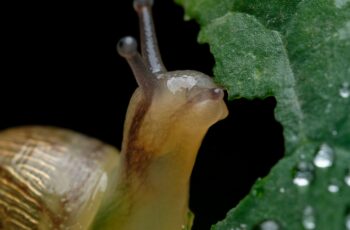
- Slugs and snails
- Other Pests
- Birds
- Feral animals
- Stored-product pests
Each pest requires a specific control strategy based on its behavior and life cycle.
Signs of a Pest Infestation
Early detection makes pest control easier and more effective. Common warning signs include:
- Droppings or urine stains
- Unusual smells
- Chewed wires or furniture
- Scratching sounds inside walls
- Visible insects or nests
- Damage to plants or crops
Ignoring these signs often leads to larger infestations.
Preventive Pest Control Measures
Prevention is always better than treatment. Many pest problems can be avoided by following simple preventive steps.
- Maintain Cleanliness
- Clean kitchens and dining areas daily
- Store food in sealed containers
- Dispose of garbage regularly
- Avoid leaving standing water
- Seal Entry Points
- Close cracks and gaps in walls
- Install door sweeps
- Repair damaged window screens
- Reduce Moisture
- Fix leaking pipes
- Improve ventilation
- Use dehumidifiers in damp areas
- Yard and Garden Maintenance
- Trim vegetation near buildings
- Remove standing water
- Store firewood away from structures
Natural and Eco-Friendly Pest Control Methods
Many homeowners prefer natural pest control methods because they are safer for children, pets, and the environment.
- Essential Oils
Peppermint, eucalyptus, tea tree, and lavender oils can repel insects when diluted and sprayed in affected areas.
- Vinegar Solutions
Vinegar mixed with water is effective against ants and flies when applied to entry points.
- Diatomaceous Earth
This natural powder kills insects by dehydrating them and is safe when used correctly.
- Biological Control
Using natural predators such as ladybugs to control aphids is common in gardens.
Chemical Pest Control Methods
Chemical pest control is often necessary for severe infestations. However, it must be used responsibly.
Types of Chemical Controls
- Insecticides
- Rodenticides
- Fumigants
- Repellents
Safety Tips
- Always read and follow label instructions
- Avoid overuse
- Keep chemicals away from children and pets
- Use protective equipment
Improper use of chemicals can harm humans, animals, and beneficial insects.
Integrated Pest Management (IPM)
Integrated Pest Management is a modern, sustainable approach that combines multiple strategies to control pests effectively.
Key Principles of IPM
- Pest identification
- Monitoring pest activity
- Preventive measures
- Least-toxic control methods
- Continuous evaluation
IPM reduces reliance on chemicals and focuses on long-term prevention.
Professional Pest Control Services
In some cases, professional pest control services are the best solution.
When to Call Professionals
- Severe infestations
- Termite problems
- Recurrent pest issues
- Health or safety concerns
Benefits of Professional Services
- Expert knowledge
- Advanced equipment
- Safe treatment methods
- Long-term solutions
Hiring licensed professionals ensures effective and safe pest management.
Pest Control for Homes
Residential pest control focuses on protecting living spaces.
Common Household Pest Problems
- Cockroaches in kitchens
- Ants in food storage areas
- Bed bugs in bedrooms
- Rodents in basements
Regular inspections and preventive treatments help keep homes pest-free.
Pest Control for Gardens and Farms
Garden and agricultural pest control aims to protect plants while preserving soil and ecosystems.
Common Garden Pests
- Aphids
- Caterpillars
- Beetles
- Mites
Effective Solutions
- Crop rotation
- Natural predators
- Organic sprays
- Physical barriers
Sustainable pest control practices improve crop yields and soil health.
Seasonal Pest Control Tips
Pest activity varies by season.
Spring
- Ants and termites become active
- Inspect foundations and gardens
Summer
- Mosquitoes and flies increase
- Eliminate standing water
Autumn
- Rodents seek shelter indoors
- Seal entry points
Winter
- Indoor pests remain active
- Monitor storage areas
Seasonal planning reduces infestation risks.
Common Pest Control Myths
Myth 1: Clean Homes Never Get Pests
Even clean homes can attract pests due to moisture or entry points.
Myth 2: One Treatment Is Enough
Most infestations require multiple treatments and ongoing prevention.
Myth 3: Natural Methods Are Always Weak
When used correctly, natural methods can be highly effective.
Cost of Pest Control
The cost of pest control depends on:
- Type of pest
- Severity of infestation
- Size of the area
- Treatment method
Preventive pest control is usually more affordable than emergency treatments.
Choosing the Right Pest Control Method
When selecting a pest control solution, consider:
- Safety
- Effectiveness
- Environmental impact
- Long-term results
A balanced approach often delivers the best outcomes.