Walk into any supermarket right now and you’ll feel it immediately. The number on the register doesn’t match the basket in your hand. A bag of salad that cost $2.99 a year ago is now $4.49. A dozen eggs have jumped again. That rotisserie chicken you grabbed out of habit — just look at the price tag. Then look away.
This is not your imagination, and it is not a temporary blip. The United States and Israel launched military strikes on Iran on February 28, 2026, and the ripple effects have been crashing through every corner of the global economy ever since. Iran’s closure of the Strait of Hormuz — the narrow waterway through which roughly one-fifth of the world’s oil passes — created what the International Energy Agency described as the largest oil supply disruption in the history of the global market. When oil gets expensive, everything gets expensive. Fertilizer. Diesel for delivery trucks. Plastic packaging. The energy used to refrigerate, process, and ship food across thousands of miles before it reaches your plate.
For millions of families, the grocery bill is now one of the most stressful lines in the household budget. And economists are warning it may not get better any time soon. If the conflict continues into the summer and fall, food prices could keep climbing — because crops planted with expensive fertilizer this spring won’t come down in price until the next growing cycle, a year from now.
But here’s the thing: there is something you can do about it. Something practical, empowering, and — for many people — genuinely life-changing. You can grow your own food.
Why This Moment Is Different
You may have read headlines about food prices going up before. After Russia invaded Ukraine in 2022, grocery bills climbed. During COVID, supply chains faltered. But what is happening in 2026 feels different in scale and structure — and it’s worth understanding why, because it directly explains why the gardening strategy makes more sense today than it has in decades.
Fuel prices do not just affect what you pay at the gas station. They affect nearly every stage of the food production and distribution system. Fossil fuels are used to make fertilizer — the nitrogen-based compounds that most modern farms depend on to grow food efficiently. They power the tractors, the irrigation pumps, the cold-storage warehouses, and the refrigerated semi-trucks that crisscross the country every single day. When fuel prices rise 30% in a matter of weeks, as they have since late February, those costs ripple forward. Farmers pay more to plant. Distributors pay more to ship. Supermarkets pass those costs to you.
Experts at Villanova University and EY-Parthenon have warned that if oil prices remain elevated through the summer, we could see the effects locked in for the rest of the growing season — meaning that even if a ceasefire holds and the Strait of Hormuz eventually reopens, grocery prices in the fall could still reflect the costs farmers faced in the spring. The pain may be slow to fade.
“A home vegetable garden is one of the most efficient ways a family can protect itself from food inflation — and you can start one this weekend.”
Against this backdrop, the home vegetable garden is not just a hobby. It is a financial strategy. A mature, well-managed kitchen garden can produce hundreds — sometimes thousands — of dollars’ worth of fresh produce every year, at a fraction of the retail cost. The seeds are cheap. The soil is free or nearly so. The labor is yours. And the return on investment, dollar for dollar, is extraordinary.
What Can a Home Garden Actually Save You?
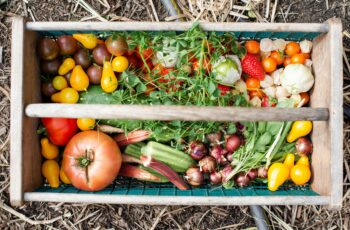
Let’s get specific, because the numbers matter. According to the National Gardening Association, the average American household with a vegetable garden spends about $70 on it per year and receives an estimated $600 to $700 worth of produce in return. That’s a return of roughly 10x on investment. And those figures are based on pre-2026 prices — at today’s inflated grocery store prices, the savings could be significantly higher.
Consider some of the crops where the price differential between homegrown and store-bought is most dramatic:
| Crop | Store Price (avg. 2026) | Cost to Grow | Yield per Plant | Difficulty |
|---|---|---|---|---|
| Tomatoes | $3.50–$5/lb | ~$0.30/lb | 10–15 lbs | Easy |
| Fresh herbs (basil, cilantro) | $2.50–$4/bunch | ~$0.05/bunch | Continuous harvest | Easy |
| Lettuce / salad mix | $4–$6/bag | ~$0.10/bag equiv. | Cut-and-come-again | Easy |
| Zucchini / courgette | $2–$3 each | ~$0.15 each | 30–50 per plant | Easy |
| Bell peppers | $2–$4 each | ~$0.20 each | 10–20 per plant | Moderate |
| Green beans | $3–$5/lb | ~$0.20/lb | 3–5 lbs per plant | Easy |
| Garlic | $1–$2 per head | ~$0.10 per head | 1 bulb per clove planted | Easy |
| Kale / spinach | $3–$5/bunch | ~$0.05/bunch | Continuous harvest | Easy |
Herbs deserve special mention. A small pot of fresh basil at the supermarket costs $2.50 to $4.00 and will wilt within a few days. A single basil plant in your garden, started from seed for a few cents, will produce hundreds of times its equivalent in fresh leaves all season long. The math is almost embarrassing once you see it clearly.
Average annual savings from a modest home vegetable garden — and that’s at pre-war prices. In 2026, the number is likely higher.
You Don’t Need a Big Yard — Or Any Yard
One of the biggest myths about home gardening is that you need a lot of land. You don’t. In fact, some of the most productive gardens in the world are grown on balconies, windowsills, rooftops, and patios in dense urban areas. The key is choosing the right growing method for your space.
Option 1: In-Ground Garden
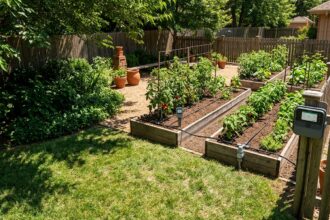
If you have a backyard, even a small one, a 4×8 foot raised bed or a simple dug plot can produce an impressive amount of food. A well-planned 100 square foot garden — the size of a parking space — can grow enough vegetables to meaningfully reduce a family’s grocery bill. Start by removing grass from a sunny patch, amending the soil with compost, and planting in blocks rather than rows to maximize space.
Option 2: Raised Beds
Raised beds are one of the most efficient ways to garden. They warm up faster in spring, drain well, and can be filled with high-quality soil mix that you control. A simple 4×4 foot raised bed costs $40–$80 to build from untreated lumber and can be installed on a driveway, patio, or lawn. For most vegetables, 12 inches of depth is sufficient. Two or three raised beds can produce a remarkable variety of food through the growing season.
Option 3: Container Gardening
No outdoor space? No problem. Tomatoes, peppers, lettuce, herbs, green onions, and even dwarf varieties of cucumbers and squash can be grown in containers on a balcony or even a sunny windowsill. A south- or west-facing window receives enough light for most herbs and some greens. Larger containers — 5-gallon buckets work perfectly — can support tomato and pepper plants. This is the most accessible form of gardening and requires almost no upfront investment.
Best Crops for Small Spaces
- Windowsill: Basil, chives, parsley, mint, cherry tomatoes (compact varieties)
- Balcony containers: Lettuce, kale, peppers, dwarf tomatoes, radishes, green onions, spinach
- Patio raised bed: Tomatoes, zucchini, beans, cucumbers, beets, carrots, Swiss chard
- Full garden: All of the above plus potatoes, squash, corn, garlic, leeks, melons
How to Start — Even If You’ve Never Gardened Before
The most common reason people don’t garden is that they don’t know where to begin. Here is a clear, practical, step-by-step guide to getting your first garden started this spring — no experience required.
Step 1: Pick Your Spot
The single most important factor in a successful vegetable garden is sunlight. Most vegetables need at least six hours of direct sunlight per day — more is better. Observe where the sun hits your space throughout the day and choose the sunniest spot available. Even a south-facing balcony that gets six hours of sun can support a productive container garden.
Step 2: Choose the Right Crops for Right Now
For spring planting in April and May (which is the right time right now in most of the U.S.), focus on: tomatoes, peppers, zucchini, cucumbers, beans, basil, and any of the fast-growing greens like lettuce, arugula, and spinach. These crops are well-suited to summer growing and will start producing within 45–90 days of planting, depending on the variety.
If you’re a complete beginner, start with just three or four crops. Cherry tomatoes, zucchini, lettuce, and basil are a nearly foolproof combination that will give you quick wins and high-value harvests.
Step 3: Get Your Soil Right
Healthy soil is the foundation of a productive garden. For raised beds, a standard potting mix of one-third compost, one-third peat moss or coconut coir, and one-third perlite works extremely well. For in-ground gardens, amend your existing soil with several inches of compost worked in to a depth of 8–12 inches. Avoid cheap, dense potting soils for vegetables — they compact and drain poorly.
If you want to keep costs even lower, start composting your kitchen scraps now. Coffee grounds, vegetable peels, eggshells, and fruit scraps can be transformed into rich fertilizer within a few months. A simple compost bin can be built from a plastic storage container with drainage holes drilled in the bottom — a project that takes about 10 minutes and costs nothing if you already have a container.
Step 4: Seeds vs. Transplants
Starting from seed is the most economical approach — a single seed packet containing 20–50 seeds costs $2–$4 and gives you far more plants than you can likely use. However, for crops like tomatoes and peppers, starting from seed requires a 6–8 week head start indoors before transplanting outside. If you’re planting in April or May, it’s usually more practical to buy young transplants from a local nursery or garden center, which typically cost $2–$5 per plant. Fast-growing crops like lettuce, beans, zucchini, and radishes can be sown directly into the ground or containers right now.
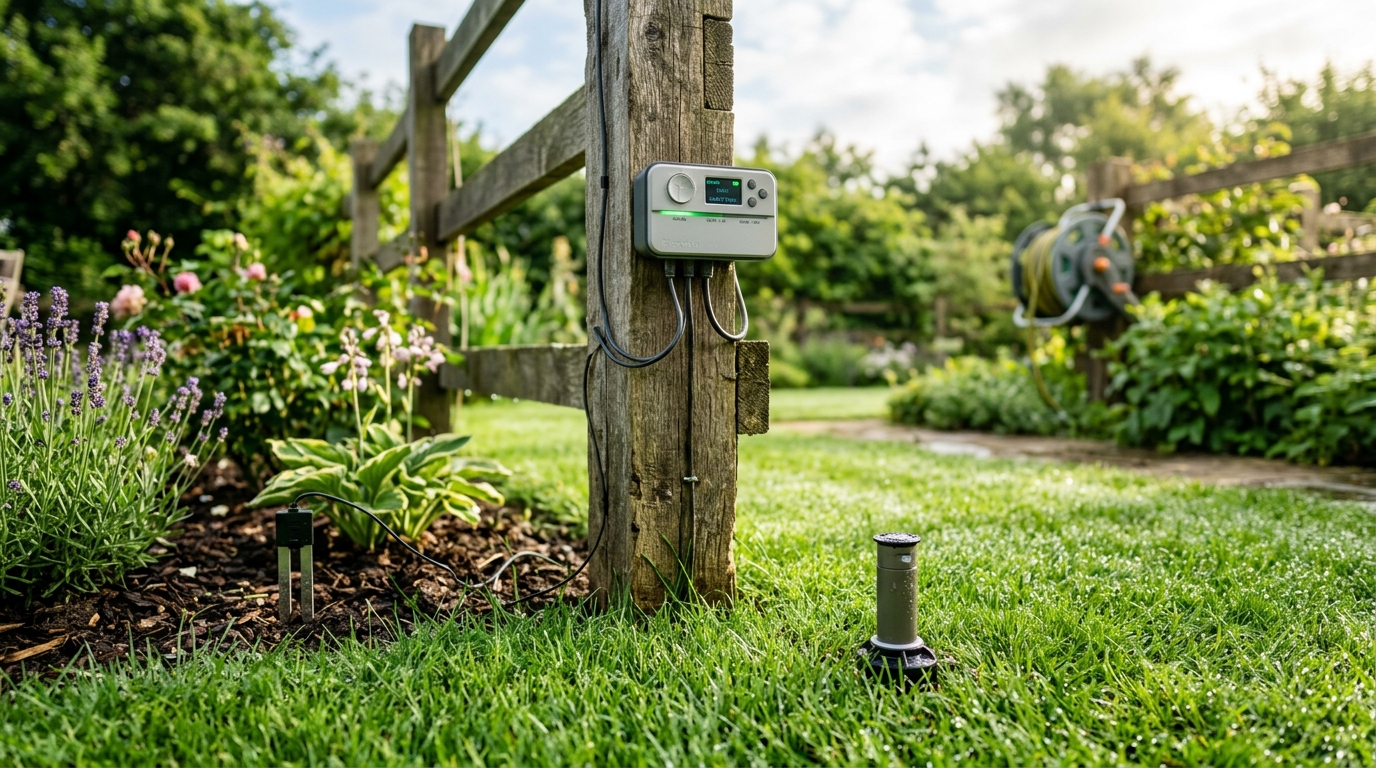
Step 5: Water Smart
Overwatering kills more vegetable plants than underwatering. The golden rule is to water deeply but infrequently — rather than giving plants a daily splash, water thoroughly once or twice a week and let the soil dry slightly between waterings. Most vegetables prefer moist, not soggy, soil. Stick your finger two inches into the soil: if it’s still damp, wait. If it’s dry, water. A layer of mulch on the soil surface — straw, wood chips, or even shredded newspaper — helps retain moisture and dramatically reduces your watering needs.
Step 6: Feed Your Plants
With fertilizer costs elevated alongside fuel prices in 2026, homemade solutions are smarter than ever. Compost is the single best fertilizer for vegetable gardens. Worm castings, available at most garden centers for around $15 for a large bag, are another excellent low-cost option. If you want a liquid boost for fruiting crops like tomatoes and peppers, a diluted solution of fish emulsion or seaweed extract provides excellent nutrition at low cost. Avoid expensive synthetic fertilizers — they’re derived from fossil fuels and their prices have risen sharply.
“You don’t need to grow all your own food. If you can grow even 20% of what your family eats, the savings are real — and the satisfaction is even more so.”
The Hidden Benefits Nobody Talks About
Money is the obvious argument for home gardening right now. But there are other reasons it matters — reasons that are less talked about but equally important.
Nutrition. Homegrown food is fresher than anything you can buy at a supermarket. A tomato picked off the vine and eaten the same day contains dramatically more vitamins and antioxidants than one that was harvested green, gassed to ripen, and shipped across the country. Studies consistently show that produce loses significant nutritional value within 24–72 hours of harvest. When you grow your own, you eat at peak nutrition.
Mental health. There is strong and growing scientific evidence that gardening reduces stress, anxiety, and depression. Working with soil, sunlight, and plants triggers the release of serotonin and has been shown in clinical studies to have measurable effects on mood comparable to moderate exercise. In a period of genuine global anxiety — wars, inflation, uncertainty — tending a garden offers something rare: a task with immediate, visible, positive results. You plant something, you water it, it grows. In a world of overwhelming complexity, that simplicity is healing.
Supply chain independence. When you grow even part of your own food, you become less dependent on the systems that are currently under stress. You don’t need to worry about whether lettuce will be on the shelves, or whether the price will be $4 or $6. You just walk outside and pick some. That sense of agency — of being even partially self-sufficient — is worth something that goes beyond dollars and cents.
Community. Gardens have a way of bringing people together. Share your surplus zucchini with a neighbor and you might find yourself trading seeds, swapping growing tips, or starting a neighborhood exchange. Many cities have community garden plots available at low cost for residents without backyard space — worth checking your local parks department.
Making It Last: From One Season to Year-Round
Once you experience the satisfaction and savings of your first harvest, the natural next step is extending the season and expanding your scope. A few strategies make this possible even for beginners.
Succession planting means planting small batches of fast-growing crops like lettuce, radishes, and arugula every two to three weeks, rather than all at once. This ensures a continuous supply rather than a glut followed by nothing.
Preserving the harvest is how you turn summer abundance into winter savings. Tomatoes are easy to freeze — simply wash, core, and freeze whole or chopped, ready to add to soups and sauces for months. Herbs can be dried on a rack or frozen in olive oil in an ice cube tray. Zucchini can be shredded and frozen for use in soups, breads, and stews. Green beans can be blanched and frozen in portions. With even basic preservation, your summer garden can reduce your grocery bills well into the winter months.
Season extension techniques like cold frames, cloches, and row covers can push your growing season several weeks earlier in spring and later into fall, increasing your total harvest significantly. A simple cold frame — a wooden box with an old window on top — can let you start growing in late February or March and keep harvesting into November in most climates.
Saving seeds from your best plants at the end of the season means next year’s garden costs almost nothing. Tomatoes, beans, peppers, zucchini, lettuce, and herbs are all easy to save seed from. Label your seeds with variety and date, store them in a cool, dry place, and you have essentially free planting material for the following year and beyond.
The Bottom Line
The forces driving food prices up in 2026 — oil shocks, conflict, supply chain disruption, a weakened global economy — are not fully within your control. But your response to them is. The decision to grow even a small portion of your own food is one of the most direct, practical actions available to any household right now. It costs very little to start. It produces real, measurable savings. It improves the quality and nutrition of what you eat. And it gives back something that is increasingly hard to find in times of crisis: a sense of control over your own life.
You don’t need to grow all your food. A few containers of tomatoes, a pot of herbs on the windowsill, a small bed of lettuce in the backyard — any of it helps. Start where you are, with what you have. Buy a packet of seeds. Fill a container with soil. Plant something this weekend.
The grocery store prices may be through the roof. But the garden? The garden is right outside your door.