If you’ve never grown your own vegetables before, lettuce is the perfect place to start. It’s fast, forgiving, and incredibly rewarding. Unlike tomatoes or peppers that require months of care before harvest, lettuce goes from seed to salad bowl in as little as 30 days.
I still remember my first lettuce harvest. I’d planted a small row of mixed greens, honestly not expecting much. Four weeks later, I was cutting fresh, crisp lettuce leaves for dinner salads. The taste was incomparable to store-bought lettuce – sweeter, crisper, with flavors I didn’t know lettuce could have.
What really sold me on growing lettuce was discovering I could harvest it continuously by planting small amounts every couple of weeks. No more buying those plastic clamshells that go bad before I can use them. Just step outside and cut what I need, when I need it.
Here’s what I’ve learned about growing lettuce successfully through multiple seasons, including how to keep it producing even through summer heat and how to harvest it so plants keep giving you leaves for weeks.
Understanding Lettuce Types
Lettuce comes in four main types, each with distinct characteristics that affect how you grow and use them.
Head lettuce (Crisphead or Iceberg) forms tight, compact heads. This is the classic burger lettuce, but it’s actually the most challenging type to grow. It requires cool conditions, takes longer to mature (70-80 days), and bolts easily in warm weather. I rarely grow head lettuce because easier types taste better and produce more reliably.
Butterhead lettuce (Boston, Bibb) forms loose heads with soft, buttery-textured leaves. These are much easier than crisphead varieties and have excellent flavor. They mature in 55-65 days and tolerate warm weather better than head lettuce.
Romaine lettuce (Cos) grows upright with crisp, elongated leaves. It’s heat-tolerant, flavorful, and productive. Romaine takes about 70 days to form full heads, but you can harvest outer leaves much earlier. This is my go-to lettuce for reliability and taste.
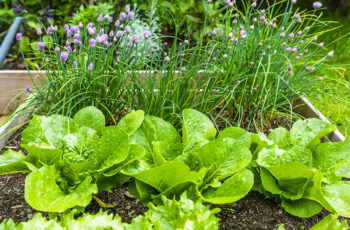
Loose-leaf lettuce doesn’t form heads at all. Instead, it produces individual leaves you can harvest continuously. It’s the fastest (ready in 30-45 days), easiest to grow, most heat-tolerant, and in my opinion, the best choice for beginners. Varieties include Green Oak Leaf, Red Leaf, and countless others.
I grow primarily loose-leaf and romaine varieties now. They’re reliable, productive, and provide continuous harvests with minimal fuss.
When to Plant Lettuce
Lettuce is a cool-season crop that prefers temperatures between 60-70°F. This makes timing crucial for success.
Spring planting begins as soon as soil can be worked – often four to six weeks before your last frost date. Lettuce seeds germinate in cool soil (as low as 40°F) and young plants tolerate light frosts without damage.
I plant my first lettuce in early spring, sometimes while there’s still snow on the ground in shaded areas. This early planting produces the best lettuce of the year – crisp, sweet leaves with no bitterness.
Succession planting is the key to continuous harvests. Rather than planting all your lettuce at once, plant small amounts every two weeks from early spring through late spring. This provides steady harvests rather than a huge flush followed by nothing.
I plant a new row or section every time I check my garden, which is about twice a week. This might seem excessive, but it ensures I always have lettuce at the perfect stage for harvesting.
Summer growing is possible but challenging. Once temperatures consistently exceed 75°F, most lettuce varieties bolt (go to seed) rapidly. However, heat-tolerant varieties, afternoon shade, and succession planting every week can extend harvest into summer.
Fall planting begins in late summer (about 60-70 days before first expected frost). As temperatures cool, lettuce thrives again. Fall lettuce often tastes even better than spring lettuce because plants mature during increasingly cool weather.
Winter growing is possible in mild climates or using cold frames, row covers, or greenhouses in colder areas. Lettuce tolerates light freezes, and cold-hardy varieties survive surprisingly cold temperatures with minimal protection.
Choosing the Right Location
Lettuce has more flexible light requirements than most vegetables, which makes it easier to fit into your garden.
In spring and fall, lettuce prefers full sun – at least six hours daily. Cool weather and adequate sun produce the best-tasting, most nutritious lettuce.
In summer, afternoon shade becomes beneficial or even necessary. Direct sun combined with heat causes bitter-tasting leaves and rapid bolting. I plant summer lettuce in spots that receive morning sun but are shaded by taller plants or structures during the hottest afternoon hours.
Planting lettuce between rows of taller vegetables like tomatoes or in the shade of trellised beans creates natural shade that extends the harvest season.
Soil should be loose and well-draining but moisture-retentive. Lettuce has shallow roots (only four to six inches deep) and needs consistent moisture to produce tender, sweet leaves. Heavy clay needs improvement with compost. Very sandy soil benefits from added organic matter to help retain moisture.
Wind protection helps, especially for tall varieties like romaine. Strong winds damage leaves and increase water stress. Planting near a fence or among other plants provides natural windbreaks.
Planting Lettuce Successfully
Lettuce is remarkably easy to plant, but a few techniques improve success rates significantly.
Direct seeding works excellently for lettuce. Unlike tomatoes or peppers, lettuce doesn’t benefit much from transplanting and actually prefers being sown directly where it will grow.
Plant seeds a quarter-inch deep and about one inch apart in rows 12-18 inches apart. Cover lightly with soil and water gently. Seeds germinate in seven to fourteen days depending on temperature.
Broadcasting seeds works well for loose-leaf varieties in wide beds. Scatter seeds across the prepared bed, rake lightly to barely cover them, and water gently. This creates a lettuce patch where you can harvest individual leaves continuously.
I broadcast mixed mesclun seeds in a small patch specifically for baby leaf salads. Harvesting is simple – just cut across the top with scissors, leaving one to two inches of stem. The plants regrow for multiple harvests.
Transplants work if you want a head start or prefer not to thin seedlings. Start seeds indoors three to four weeks before planting out. Handle transplants gently – lettuce roots are delicate and transplant shock can cause bolting.
Thinning is essential once seedlings develop true leaves. This is where many beginners go wrong – they can’t bear to pull out perfectly good seedlings. But crowded lettuce never forms nice plants. Thin to four to six inches apart for loose-leaf varieties, eight to twelve inches for romaine and butterhead.
Don’t waste thinnings! Once seedlings are two to three inches tall, thinned plants are perfect for baby leaf salads.
Watering Requirements
Consistent moisture is critical for quality lettuce. Stressed plants from inadequate water become bitter, tough, and bolt prematurely.
Water consistently to keep soil evenly moist but not soggy. Lettuce’s shallow roots mean it dries out quickly, especially in warm weather. During establishment and hot periods, this might mean watering daily.
I check moisture by sticking my finger into the soil near plants. If the top inch is dry, I water. In spring and fall, this might be every few days. In summer, it’s often daily.
Water deeply to encourage roots to grow as deep as possible. Light, frequent watering keeps roots at the soil surface where they’re more vulnerable to heat and drying.
Mulch helps tremendously by conserving moisture and keeping soil cool. Once plants are established, apply one to two inches of organic mulch like straw, shredded leaves, or grass clippings around plants.
Water in the morning so foliage can dry during the day. Wet leaves overnight promote diseases like downy mildew and bottom rot.
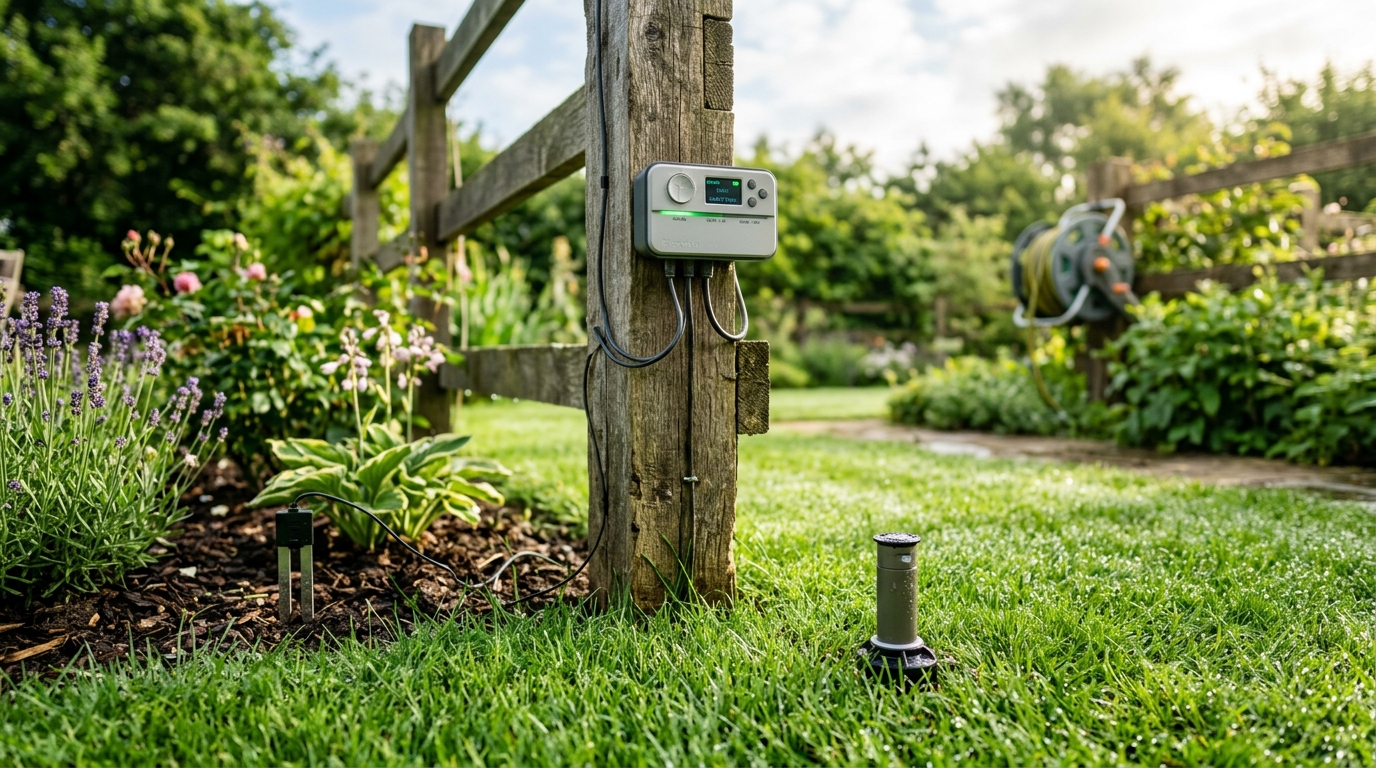
Drip irrigation or soaker hoses are ideal for lettuce. They keep soil consistently moist, conserve water, and keep foliage dry. I run soaker hoses down my lettuce rows and water for 20-30 minutes every day or two depending on weather.
Fertilizing for Tender, Sweet Leaves
Lettuce is a light to moderate feeder. It doesn’t need heavy fertilization like tomatoes, but it benefits from adequate nutrients.
Prepare beds before planting by incorporating compost or aged manure. This provides a nutrient-rich foundation that often eliminates the need for additional fertilization during the short growing season.
I spread one to two inches of compost over beds and work it into the top few inches of soil. This single application supports several succession plantings throughout the season.
Nitrogen is the most important nutrient for lettuce because you’re growing it for leaves, not fruits. Adequate nitrogen produces lush, green, tender growth.
Side-dress with compost or apply diluted fish emulsion every two to three weeks for plants you’re growing to full size. Spray liquid fertilizer on leaves in early morning – lettuce absorbs foliar feeds quickly.
Don’t over-fertilize, especially with nitrogen. Excess nitrogen creates excessive succulent growth that’s more susceptible to diseases and may accumulate nitrates (which aren’t harmful at levels from home gardens but aren’t ideal either).
Preventing Bolting and Bitterness
Bolting – when lettuce sends up a flower stalk – is the main challenge with lettuce growing. Once plants bolt, leaves become extremely bitter and the harvest is essentially over.
Temperature is the primary trigger. Once temperatures consistently exceed 75-80°F, most lettuce bolts rapidly. There’s not much you can do except plant heat-tolerant varieties and provide shade.
Long days also trigger bolting. As day length increases in late spring and summer, plants receive signals to reproduce. This combines with heat to cause rapid bolting.
Stress accelerates bolting. Inconsistent watering, nutrient deficiency, or transplant shock can trigger early bolting even in cool weather.
Strategies to delay bolting:
Choose slow-bolting or heat-tolerant varieties for late spring and summer planting. These are bred to resist bolting longer in warm conditions.
Provide afternoon shade using shade cloth, taller companion plants, or strategic positioning near structures that cast afternoon shadows.
Maintain consistent moisture and avoid allowing plants to dry out completely.
Harvest promptly once plants reach usable size. The longer lettuce sits in the garden after reaching maturity, the more likely it is to bolt.
Once bolting begins, harvest immediately even if plants aren’t full size. The leaves are still edible before the flower stalk fully elongates, though they may be slightly bitter. Once the stalk shoots up several inches, the plant is done – pull it out and plant something else.
Harvesting Lettuce for Maximum Yield
How you harvest dramatically affects how much lettuce you get from each plant. Proper harvesting techniques extend production for weeks or even months.
For loose-leaf lettuce, harvest outer leaves continuously once plants have at least six to eight leaves. Using scissors or your hands, cut or pinch off outer leaves, leaving the central growing point intact. The plant continues producing new leaves from the center.
I harvest loose-leaf lettuce this way for two to three months, sometimes longer in cool weather. Each plant can provide dozens of harvests if you don’t damage the central growing point.
For head-forming types (butterhead, romaine), you can harvest either individual outer leaves or wait for full heads to form. Harvesting full heads means cutting the entire plant at ground level once it reaches desired size.
I usually harvest romaine as semi-mature heads before they’re full size. They’re still delicious and sweet, and harvesting earlier reduces the chance of bolting before harvest.
Baby leaf harvesting involves growing lettuce very densely and cutting entire plants at one to two inches above soil level when leaves are just two to four inches tall. Plants often regrow for a second or even third cutting.
This works excellently for mixed mesclun greens and provides super-tender baby leaves perfect for salads.
Harvest in the morning when leaves are crisp and fully hydrated. By afternoon, especially in warm weather, leaves lose moisture and become limp. Morning-harvested lettuce stores better too.
Store properly to maintain quality. Wash harvested leaves, spin or pat dry, and store in sealed bags or containers with a paper towel to absorb excess moisture. Properly stored lettuce keeps five to seven days, though it’s always best eaten fresh.
Common Problems and Solutions
Lettuce faces fewer problems than many vegetables, but issues do occur.
Slugs and snails love young lettuce seedlings. They feed at night, leaving irregular holes in leaves and slime trails. Hand-pick at night with a flashlight, use beer traps, or spread diatomaceous earth around plants.
I surround my lettuce beds with copper tape, which slugs won’t cross. This single intervention virtually eliminated my slug problems.
Aphids cluster on leaves, especially in spring. They’re more annoying than seriously damaging in most cases. Spray them off with water or use insecticidal soap if populations are heavy.
Tip burn appears as brown edges on inner leaves, especially on butterhead varieties. It’s caused by calcium deficiency, irregular watering, or rapid growth in hot conditions. Maintain consistent moisture and ensure adequate calcium in soil.
Bottom rot causes lower leaves to rot where they contact soil. It’s promoted by excessive moisture, poor air circulation, and overhead watering. Improve drainage, space plants adequately, and avoid getting water on leaves.
Downy mildew causes pale yellow spots on upper leaf surfaces with fuzzy growth underneath. It thrives in cool, humid conditions. Improve air circulation, avoid overhead watering, and remove affected leaves.
Extending the Lettuce Season
With some simple techniques, you can harvest lettuce nearly year-round in many climates.
Cold frames are bottomless boxes with transparent tops that trap heat and protect plants from wind and severe cold. Lettuce grows all winter in cold frames in many areas.
I built a simple cold frame from old windows and boards. It extends my lettuce harvest by three to four months on both ends of the season.
Row covers are lightweight fabric that protects plants from frost while allowing light and water through. Drape them over hoops or directly over plants in late fall to extend harvest several weeks.
Container growing indoors provides fresh lettuce in winter anywhere. Lettuce needs less light than most vegetables and grows well under grow lights or in very bright windows. I keep a few containers growing on my kitchen windowsill all winter.
Succession planting in both spring and fall ensures continuous harvests during prime growing seasons. I plant lettuce every week or two from early spring until late spring, then resume in late summer for fall harvest.
The Joy of Fresh Lettuce
There’s something deeply satisfying about stepping into your garden and cutting fresh lettuce for dinner. The flavor is incomparable, the nutrition is at its peak, and there’s zero packaging waste.
Lettuce is also one of the most expensive items at the grocery store when you consider how little you get. A few packets of seeds costing a couple dollars each provide months of harvests worth many times that amount.
Beyond the practical benefits, growing lettuce connects you to your food in a way that buying it never does. You know exactly how it was grown, what went into the soil, and how fresh it truly is.
Start small with a few plants of loose-leaf varieties. Master the basics of consistent watering and timely harvesting. Once you taste truly fresh, homegrown lettuce, you’ll understand why it’s worth the small effort required to grow it.
That crisp, sweet crunch of lettuce harvested minutes before eating is something every gardener should experience. Welcome to the wonderful world of growing your own salad greens!