Look, I’m just going to be straight with you – when I started gardening about six years ago, I had no clue what I was doing. I mean, I thought I did. I’d watched some YouTube videos, read a couple of blog posts, and figured “how hard can it be? You stick plants in dirt and water them, right?”
Yeah… not quite.
I killed so many plants in my first year that my husband started joking that our backyard was a plant cemetery. It was embarrassing, honestly. But here’s the thing – every single mistake taught me something valuable. And now? My garden actually looks pretty decent, if I do say so myself.
So I’m going to share the biggest mistakes I made, because maybe – just maybe – I can save you from making the same ones. Trust me, your plants (and your wallet) will thank you.
## 1. I Planted Everything Too Close Together
This was mistake number one, and oh boy, was it a doozy. I got so excited buying plants at the nursery that I came home with like twenty different things. And then I just… crammed them all into my garden bed. They looked fine at first, all cute and small. But three months later? Total chaos.
The plants were literally fighting each other for space, sunlight, and nutrients. Some of them got all leggy and weird trying to reach the sun. Others just gave up and died. It was like watching a very slow-motion plant battle royale.
**What I learned:** Those spacing recommendations on plant tags? They’re not suggestions – they’re requirements. If it says space 18 inches apart, it means 18 inches. Not 12. Not “eh, close enough.” Actual 18 inches.
Now I actually measure. Yeah, I know, it feels a bit obsessive. But the difference in how my plants grow is night and day.
## 2. I Watered Way Too Much (And Then Not Enough)
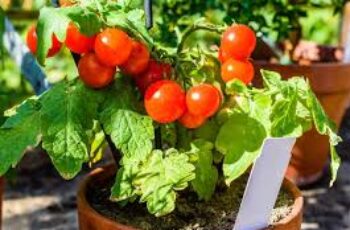
In the beginning, I was that person who watered every single day because I thought that’s what good gardeners do. My poor tomatoes basically had wet feet 24/7. Then when some plants started looking droopy despite all that water, I panicked and… stopped watering as much. Which made everything worse, obviously.
Turns out, overwatering kills more plants than underwatering. Who knew? (Apparently everyone but me at the time.)
**What I learned:** Most plants want the soil to dry out a bit between waterings. I started sticking my finger about 2 inches into the soil – if it’s dry down there, time to water. If it’s still moist, leave it alone. Such a simple trick, but it changed everything.
Also, morning watering is genuinely better than evening watering. Evening watering means the leaves stay wet overnight, which basically rolls out the welcome mat for fungal diseases.
## 3. I Ignored My Soil (Big Mistake)
I literally just dug holes and stuck plants in the ground. That was my whole “soil prep” strategy. The dirt in my yard was this sad, compacted clay that turned into concrete when it dried out. But did I do anything about it? Nope! I just assumed plants would figure it out.
They did not figure it out.
**What I learned:** Soil is everything. Like, EVERYTHING. Good soil can make a mediocre gardener look like a genius, and bad soil can make even the best plants struggle.
Now I add compost to my beds every spring. I also learned about mulch (which I’ll get to in a minute). The difference in plant growth between my first year and second year – just from improving the soil – was honestly shocking.
## 4. I Planted Things at the Wrong Time
This one still makes me cringe. I planted tomatoes in March because I was excited and the weather had been nice for like three days. Then we got a late frost and… yeah. Dead tomatoes. All of them.
I also planted lettuce in June (way too hot) and tried to grow peppers in a spot that only got 3 hours of sun (they need like 8). Basically, I ignored every bit of practical advice about timing and conditions.
**What I learned:** There’s actually a right time to plant things, and it matters a lot. Most seed packets and plant tags tell you when to plant – read them! Also, something called “hardiness zones” is actually important to pay attention to. I’m in zone 7, which means certain things about what I can grow and when.
The extension office website for my area has a planting calendar, and following it has saved me so much frustration.
## 5. I Didn’t Mulch (And Paid the Price)
I thought mulch was just for looks – like decorative stuff that fancy gardens have. So I skipped it completely.
My garden that summer was a nightmare. Weeds everywhere – I’m talking aggressive, fast-growing weeds that seemed to appear overnight. The soil dried out super fast, so I had to water constantly. And when I did water, half of it just ran off because the soil was so hard.
**What I learned:** Mulch is not decorative – it’s functional. A 2-3 inch layer of mulch does so much: keeps weeds down (this alone is worth it), helps soil retain moisture, keeps soil temperature more stable, and eventually breaks down and improves the soil.
I use wood chip mulch now, though some people prefer straw or shredded leaves. Whatever works. Just mulch your beds – trust me on this one.
## 6. I Bought Plants Just Because They Were Pretty
Garden centers are dangerous for people like me. I’d see something with beautiful flowers or interesting leaves and just grab it, without any thought about whether it would actually work in my garden.
I bought shade-loving hostas for a spot that gets full sun all day. They looked terrible and eventually died. I bought plants that needed acidic soil when my soil is alkaline. I bought things that get huge without checking how big (looking at you, mint – that stuff is basically a weed).
**What I learned:** Before buying any plant, I now ask myself three questions: How much sun does this need? How big will it get? What kind of soil does it want? If I can’t answer all three, I look it up before buying. Has saved me so much money and disappointment.
## 7. I Didn’t Deadhead or Prune Anything
I thought pruning would hurt the plants or something, so I just… didn’t do it. My rose bushes got all leggy and wild. My basil went to flower and stopped producing leaves. Annual flowers bloomed once and then just sat there looking scraggly.
Turns out, plants actually want to be pruned. Or at least, they benefit from it tremendously.
**What I learned:** Deadheading (removing spent flowers) tells the plant to make more flowers instead of going to seed. Pruning helps plants put energy into healthy growth instead of maintaining dead or weak branches.
I’m not talking about anything complicated – just snipping off dead flowers and cutting back stuff that looks messy or dead. Even that little bit of maintenance makes a huge difference in how the garden looks.
## 8. I Planted in Terrible Containers
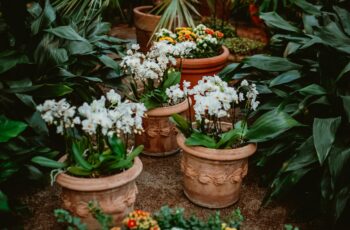
I had this beautiful ceramic pot with no drainage holes. I planted herbs in it and they all rotted from the roots up within a month. I also used really shallow containers for tomatoes (big mistake – they need deep roots) and tiny pots for plants that wanted to spread out.
Container gardening seems easy, but it’s actually trickier than in-ground planting because the plants are totally dependent on you for water and nutrients.
**What I learned:** Drainage holes are non-negotiable. Like, absolutely essential. If a pot doesn’t have drainage, either drill holes in it or use it as an outer decorative pot with a nursery pot inside.
Also, bigger is usually better for containers. Plants need room for roots, and small pots dry out super fast (ask me how I know – I killed a lot of plants learning this lesson).
## 9. I Gave Up Too Quickly
This one’s more mental than practical, but it’s important. After my first season of failures, I almost quit completely. I felt like I had a “black thumb” and maybe gardening just wasn’t for me.
But then I read somewhere that every good gardener has killed hundreds of plants. That made me feel better. Gardening is literally trial and error – you’re working with living things in constantly changing conditions. Some stuff isn’t going to work, and that’s okay.
**What I learned:** Failure is part of gardening. Even now, I have plants that randomly die or just don’t do well. Instead of getting discouraged, I try to figure out why it didn’t work and do something different next time.
Also, start small. Don’t try to have a massive perfect garden right away. A few containers or one small bed is totally fine while you’re learning.
## 10. I Didn’t Keep Any Records
I planted things and then completely forgot what they were. I had successes but couldn’t remember exactly what I did or when. I repeated the same mistakes because I didn’t write anything down.
This drove me crazy, especially when I’d have someone ask “what variety of tomato is that?” and I’d have to say “uh… red?”
**What I learned:** Now I keep a simple garden journal. Nothing fancy – just a notebook where I write down what I planted, when I planted it, where it’s located, and how it did. I also note things like first/last frost dates, when I fertilized, problems I had, and what worked well.
Looking back at previous years helps so much when planning the next season. Plus, it’s actually kind of fun to look back and see how much I’ve learned.
## The Bottom Line
Here’s the thing about gardening mistakes – everyone makes them. Literally everyone. The difference between gardeners who stick with it and those who give up is just that the ones who stick with it learn from the mistakes and keep going.
Your first garden probably won’t be perfect. Mine definitely wasn’t. But each season, you’ll get a little better. You’ll figure out what works in your specific space with your specific conditions. And eventually, you’ll be the one giving advice to new gardeners (and telling them about all the mistakes you made).
So don’t be too hard on yourself when things don’t go perfectly. Learn what you can, adjust, and try again. The plants don’t care if you mess up – they’re pretty forgiving actually. And honestly? Some of my favorite garden moments have come from happy accidents and things I didn’t plan.
Now get out there and make some mistakes of your own. Just hopefully not the same ones I made – that’s why I wrote this whole thing!

)